CHEMICAL INDUSTRY
NPK fertilizer
is a complex mineral fertilizer that contains three basic elements: nitrogen (N), phosphorus (P) and potassium (K). Each of these elements has a specific role in plant nutrition, thus contributing to their healthy growth and development.
Phosphoric acid
or orthophosphoric acid is a triprotic oxyacid of phosphorus whose chemical formula is H3PO4. Its salts are called phosphates. Phosphoric acid of technical quality is a multifunctional agent. It is used for plant nutrition, anti-corrosion protection of steel, chemical polishing of aluminum in the metal industry, production of salts used as fillers in fire protection devices, titanium dioxide production and paint industry. It is also used as a catalyst, drying agent and cleaning agent. It is most widely used in the production of industrial and institutional cleaning agents, and it is also a beneficial acidity regulator and antioxidant.
Caustic soda
or sodium hydroxide is an inorganic compound (sodium base or alkali), whose chemical formula is NaOH. Sodium hydroxide is a white crystalline substance that reacts violently with water. It has no specific smell, does not oxidize and is not flammable.
Caustic soda has found wide application in various branches of industry. Chemical and pharmaceutical industry: production of dyes for fabric, plastics, intermediates, sodium salts, etc.; production of soaps and detergents from other raw materials such as sodium phosphate and sodium silicate;
Industry for the production of synthetic fibers: production of artificial silk and wood pulp for the process of obtaining viscose, mercerization of cotton;
Food industry: cleaning of fats and oils, removal of fatty impurities;
Aluminium production industry: bauxite processing; Industrial water treatment: ion exchanger regeneration;
Treatment of waste water; precise neutralization; Glass and ceramic industry; glass production.
Ammonia water
refers to an aqueous solution of ammonia, which has a strong pungent odor and low alkalinity. Ammonia is used as an agricultural fertilizer. In the chemical industry, it is used for the production of various ammonium salts, aminating agents for organic synthesis and catalysts for the production of thermoreactive phenolic resin. In the textile industry, it is used in the spinning of wool, silk and the printing and dyeing industry. It is used for washing wool, woolen fabrics and gray stains from oil canvases, dyeing aid, pH adjustment, etc. In addition, it is used for pharmaceuticals, tanning, heating pads (preparation of solutions for silvering), rubber alkalization and grease.
Hydrochloric acid
sodium acid (molecular formula - HCl) is an acid that is formed by dissolving hydrogen chloride in water.
Hydrochloric acid is also called a solution of hydrogen chloride in other polar solvents, e.g. in acetone. Dilute hydrochloric acid is found in the stomach of humans and mammals, and it enables protein digestion.
Hydrochloric acid is one of the most important industrial acids.
Among other things, it is used for cleaning the metal surface and for the extraction of ores. In addition, together with nitric acid, it forms aqua regia - a solution that dissolves even gold and platinum.
ALUMINUM INDUSTRY
CALCINATED PETROLEUM COKE
is a petrochemical product, and its raw material is green petroleum coke. It is widely used in the production of carbon products such as graphite electrode, graphite block and brake pads. It can also be used as a carbon additive in some steel and aluminum plants. It can also be used as fireproof, thermal insulation materials, fillers, etc.
GREEN COKE
it is formed by delayed coking during the conversion of crude oil to liquid fuels such as gasoline and jet fuel. The quality of the green coke comes mainly from the quality of the crude oil that the refinery consumes. The quality of coke determines its use.
RESIN
is the term for the distilled residues of the coal tar distillation process. Coal tar is a by-product of coke production. Consequently, coke can be used during the production of pig iron. Due to its high carbon content and ability to maintain a liquid consistency at high temperatures, tar plays a key role in the production of special carbon-based materials. The primary application of tar pitch is to serve as a binder for coke during carbon and graphite electrodes during the production of steel and aluminum. The resin is produced in various specifications based on customer requirements.
ALUMINUM FLUORIDE
(AlF3) is an inorganic compound used in the production of aluminum. This colorless solid occurs in nature.
ALUMINUM
is anhydrous aluminum oxide with a crystalline structure obtained by calcining aluminum hydroxide at temperatures over 1000°C. During calcination, hydroxide loses bound moisture. The size of the alumina particles remains from 75 to 95 µm. there are several types of low-calcined alumina: metallurgical; non-metallurgical; low alkaline and white alumina. This material has a wide commercial application and is used in the aluminum production process, in the steel industry, in the production of refractory materials, in the production of glass, in the production of corundum, in the production of special types of alumina as well as in aluminum and magnesium spinels, in the cement industry, in the catalyst industry, in the production of abrasives, in the ceramic industry and the like.
CEMENT AND CONSTRUCTION INDUSTRY
Calcium sulfate (DSG)
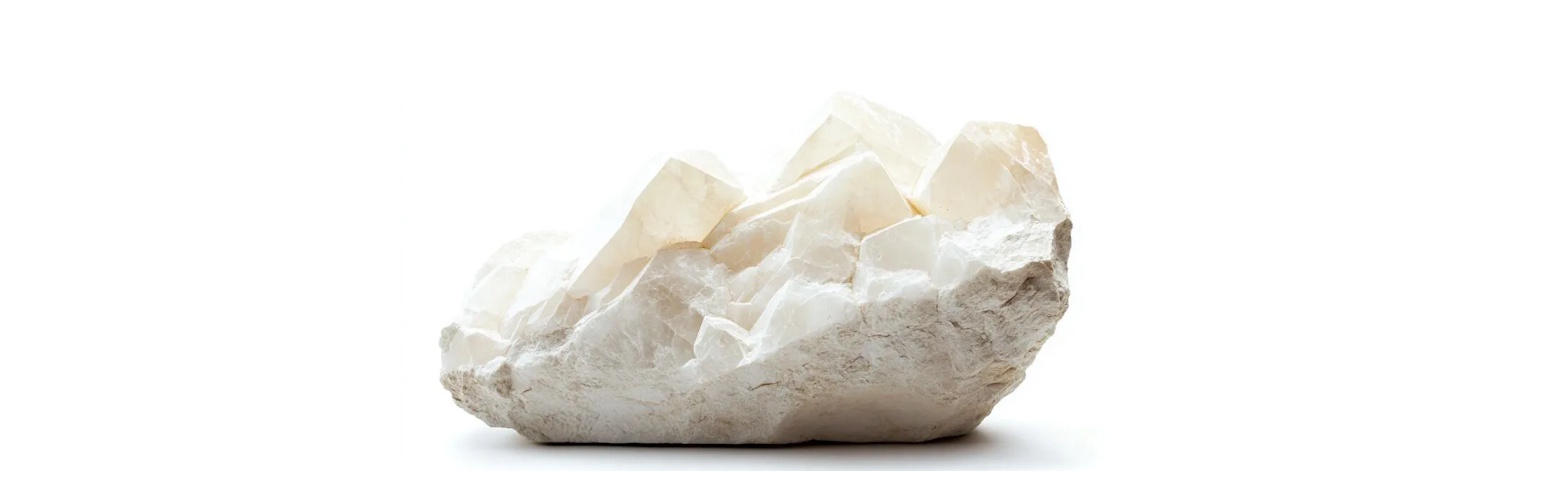
Calcium sulfate is a chemical compound whose symbol is CaSO4. It occurs in nature as the mineral anhydrite, CaSO4 and as a dihydrate, CaSO4* 2H2O, which is called gypsum, and if it is granular and completely white - alabaster.
Calcium sulfate dihydrate powder, also known as gypsum, has various functions and applications in various industries. Here are some of the main functions and applications of calcium sulfate dihydrate powder:
Construction material: Calcium sulfate dihydrate powder is widely used in the construction industry as a construction material. It is the main component of gypsum and plasterboard (plasterboard). It provides excellent fire resistance, sound insulation and is easy to handle during construction.
Soil supplement: Calcium sulfate dihydrate powder is used as a soil supplement in agriculture. It helps soil structure, water drainage and aeration. It provides a source of calcium and sulfur for plant nutrition, promotes healthy root development and increases crop growth.
Cement and concrete production: Calcium sulfate dihydrate powder is used in the production of cement and concrete. It acts as a retarder, slowing down the setting time of concrete, which allows better workability and hardening of the material.
Food and beverage industry: Calcium sulfate dihydrate powder is used as a food additive in the food and beverage industry. It serves as a source of calcium and an important coagulant in processes such as cheese making and tofu production. It also acts as a firming agent for canned vegetables and improves the texture and stability of certain food products.
Pharmaceutical industry: Calcium sulfate dihydrate powder is used as an inactive ingredient in the pharmaceutical industry. It is commonly used as a filler, binder, or diluent in tablets and capsules to provide appropriate physical characteristics and improve drug formulation.
Fly ash
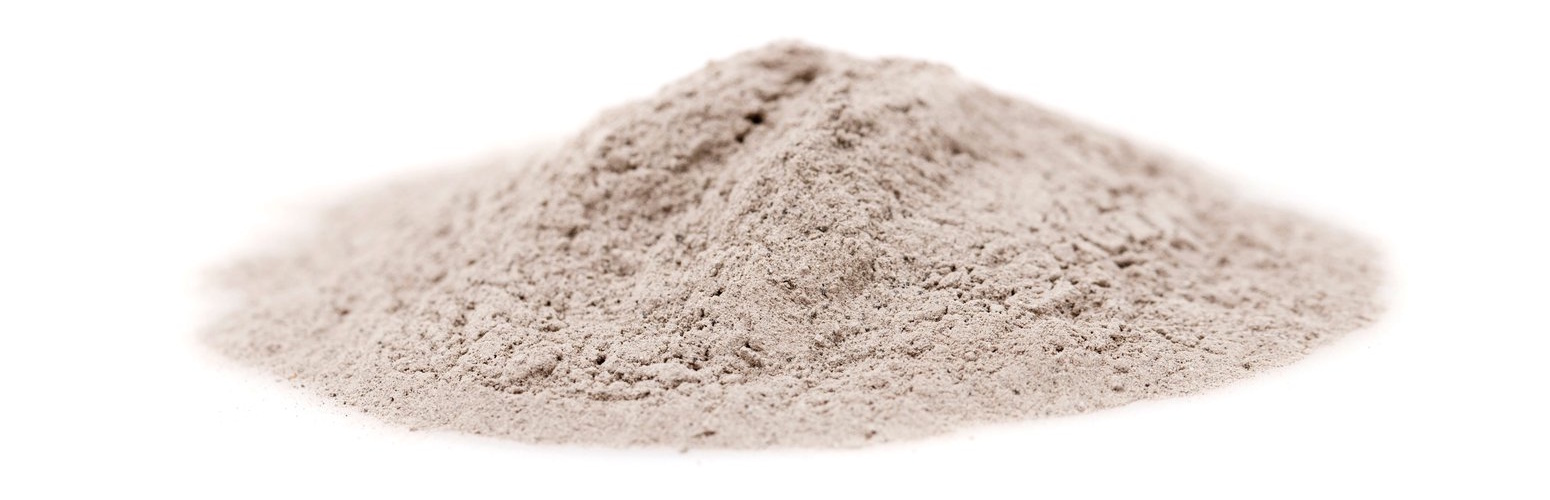
Dwindling space and increasing costs of disposal of fly ash have completely changed the view of what was once the largest amount of waste in the world. More stringent environmental regulations, economic considerations, and more recently the special requirements of technology and industry, have turned fly ash into a potentially acceptable commodity or raw material. Therefore, more and more thermal power plants are switching to more modern systems of pneumatic transport and deposition of fly ash, encouraged not only by environmental protection measures, but also by increased demand.
The fact that fly ash can be used directly, without pretreatment, is very important. On the other hand, individual components can be separated from fly ash by different methods (chemical, thermal, mechanical) and still be used as a partial substitute for important raw materials, or as key additives to improve certain products (eg pozzolanic additive for cement and concrete). The increase in its use in the cement industry and construction is particularly significant.
In addition, fly ash finds many applications: as a cover, in road substrates, for solidification and stabilization of waste, for the production of light aggregates, in the ceramic industry, metallurgy, for the improvement of agricultural land and water.
COAL
LIGNITE
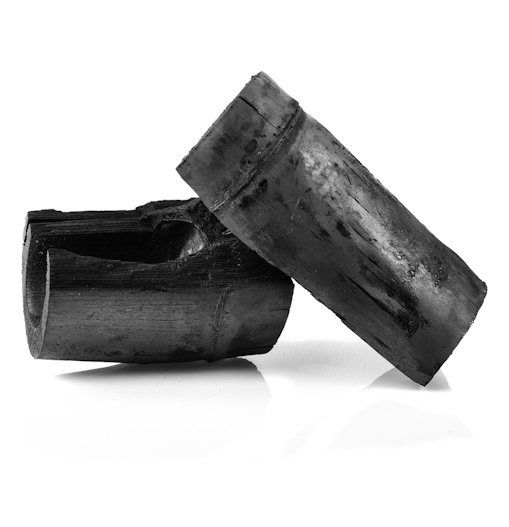
is obtained by compression of peat, but contains a larger amount of coal. It is characterized by a woody structure. By eliminating water, the amount of carbon can be brought up to 60-75% and therefore it is considered a medium quality fuel. It is used to generate basic electricity. The texture of lignite is rough and bumpy, and its color is pale gray or dirty yellow. Its calorific value is 6-12.5 MJ/kg, with a slight sulfur content.
BROWN COAL
it is divided into two groups - soft and hard brown coal. It depends on the plant remains that are present in the coal. In our region, next to lignite, it is the most abundant. Brown coal is, logically, dark in color and varies from dark brown shades to black. It is most often used for firewood, because it is a little more expensive than lignite, but it has a higher calorific value, less ash and maintains the temperature better.
COAL
is rarely found in our area. The reason for this is that it takes a long time to create, but it is quickly consumed. It is most often used in industry, because it does not leave a lot of waste and burns slowly. This type of coal generates thermal energy of 25-36 MJ/kg. Coal is divided into several types, and the amount of volatile substances (anthracite, semi-anthracite, gas coal, mass coal, gas flame coal) was taken as a criterion for this division.
ANTHRACITE
is coal with a high calorific value, because it contains 95% carbon. It has a very hard texture, and its color is black-grey. Anthracite is hard to find. It is used, mainly, for the production of electricity and for the production of coking coal. Anthracite emits the least waste, so it is considered the cleanest coal.